
Introduction
As the demand for convenience, rewards, and personalized financial products rises, co-branded fuel and travel credit cards have carved a strong niche in the Indian consumer market. These cards—born out of partnerships between banks and fuel companies or travel brands—offer targeted benefits that align with everyday commuter needs and aspirational lifestyle choices. For frequent travelers and daily drivers, the appeal of earning reward points, fuel surcharge waivers, lounge access, and travel discounts turns routine expenses into valuable returns. In an age where consumers look for more from their spending, co-branded fuel and travel cards meet the dual demand for utility and experience. This article explores the growing consumer appeal of these cards and why they have become integral to the modern financial toolkit.
Maximizing Everyday Fuel Spends
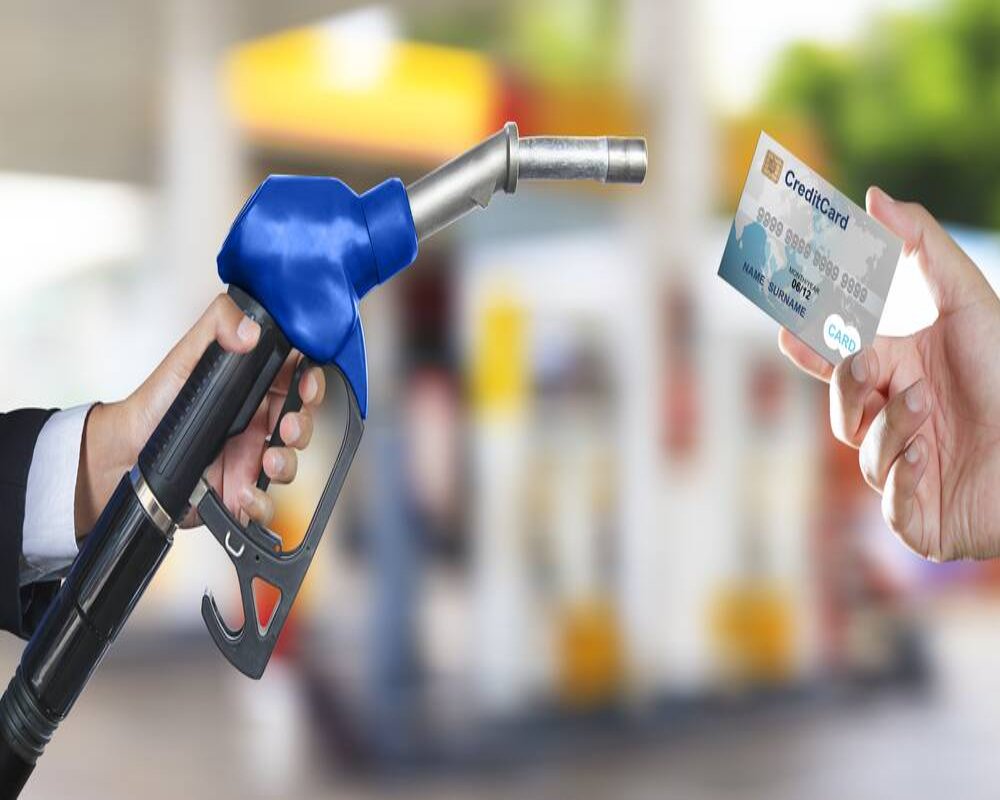
Co-branded fuel credit cards, partnered with major fuel providers like IndianOil, Bharat Petroleum, and Hindustan Petroleum, allow users to earn accelerated reward points on fuel purchases. These rewards can often be redeemed for free fuel or discounts, making them highly attractive to private vehicle owners and logistics operators alike. The ability to save on regular commutes gives these cards wide appeal.
Fuel Surcharge Waivers and Transaction Benefits
One of the most appreciated features of fuel cards is the fuel surcharge waiver, which typically ranges from 1% to 2.5% per transaction. Over time, this adds up to substantial savings, particularly for high-mileage users. Combined with no-cost EMI offers or monthly fuel-based milestones, this feature directly translates into reduced financial strain on daily mobility.
Appeal to Commuters and Field Professionals
Sales professionals, gig workers, and small business owners who rely heavily on travel find co-branded fuel cards exceptionally valuable. These cards offer high utility, ensuring that every refill contributes toward rewards, cashback, or vouchers. For consumers focused on practical savings, fuel cards deliver consistent value without needing to alter their spending habits.
Loyalty Program Integration with Fuel Partners
Many co-branded fuel cards are integrated with loyalty programs like IndianOil’s XTRAREWARDS or BPCL’s SmartFleet. Users accumulate dual rewards—credit card points and brand loyalty benefits—enhancing the overall value proposition. This creates an incentive loop that keeps customers loyal to a specific fuel brand.
Travel Benefits That Elevate Experiences
On the other side, co-branded travel credit cards offer a gateway to enhanced experiences, especially for frequent flyers and holidaymakers. Airline partnerships like those with IndiGo, Air India, or Vistara offer cardholders bonus air miles, priority check-in, and free tickets upon sign-up or upon reaching spend thresholds. Hotel chain tie-ups deliver perks like room upgrades, late check-outs, and exclusive discounts.
Airport Lounge Access and Global Perks
Access to domestic and international airport lounges has become one of the defining features of travel co-branded cards. For frequent business travelers and leisure flyers, this benefit provides comfort, convenience, and a premium travel experience. Some cards also include travel insurance, concierge services, and foreign currency mark-up waivers.
Combining Utility and Lifestyle
What makes fuel and travel cards especially appealing is their blend of necessity and aspiration. While fuel cards cater to daily functional needs, travel cards feed aspirational goals like luxury getaways and seamless travel. Together, they cover a broad spectrum of consumer desires, making them versatile additions to any wallet.
Segment-Specific Customization
Co-branded fuel and travel cards are often tailored to specific user segments—urban professionals, corporate travelers, fleet operators, and travel enthusiasts. This customization enhances relevance and maximizes satisfaction, leading to stronger cardholder retention and higher usage frequency.
Driving Brand Loyalty and Spend Behavior
These cards not only reward but also influence behavior. Users are more likely to choose partner fuel stations or travel services to unlock card benefits. This creates predictable spending patterns and increases customer stickiness for both the brand and the bank, ensuring long-term engagement.
Conclusion
The rising popularity of co-branded fuel and travel credit cards reflects a broader consumer trend: the desire to derive value from routine and lifestyle expenses. Whether it’s reducing fuel costs or enhancing travel luxury, these cards offer rewards that resonate with real needs and aspirations. Their growing appeal lies in their ability to turn spending into savings and experiences, making them indispensable in today’s value-driven market. As partnerships grow and card features become more innovative, co-branded fuel and travel cards will continue to win consumer trust, loyalty, and long-term usage.
Hashtags
#CoBrandedCreditCards #FuelCreditCard #TravelCreditCard #SmartSpending #FuelRewards #TravelPerks #CreditCardBenefits #CashbackOnFuel #AirMiles #LoungeAccess #DailySavings #CommuteSmart #FlightRewards #RewardPoints #FinancialConvenience #FuelSurchargeWaiver #LifestyleBenefits #BankBrandPartnerships #FrequentFlyerCard #HotelDiscounts #CreditCardIndia #SpendAndEarn #TravelInStyle #TravelSmartSaveMore #ConsumerFinanceIndia