
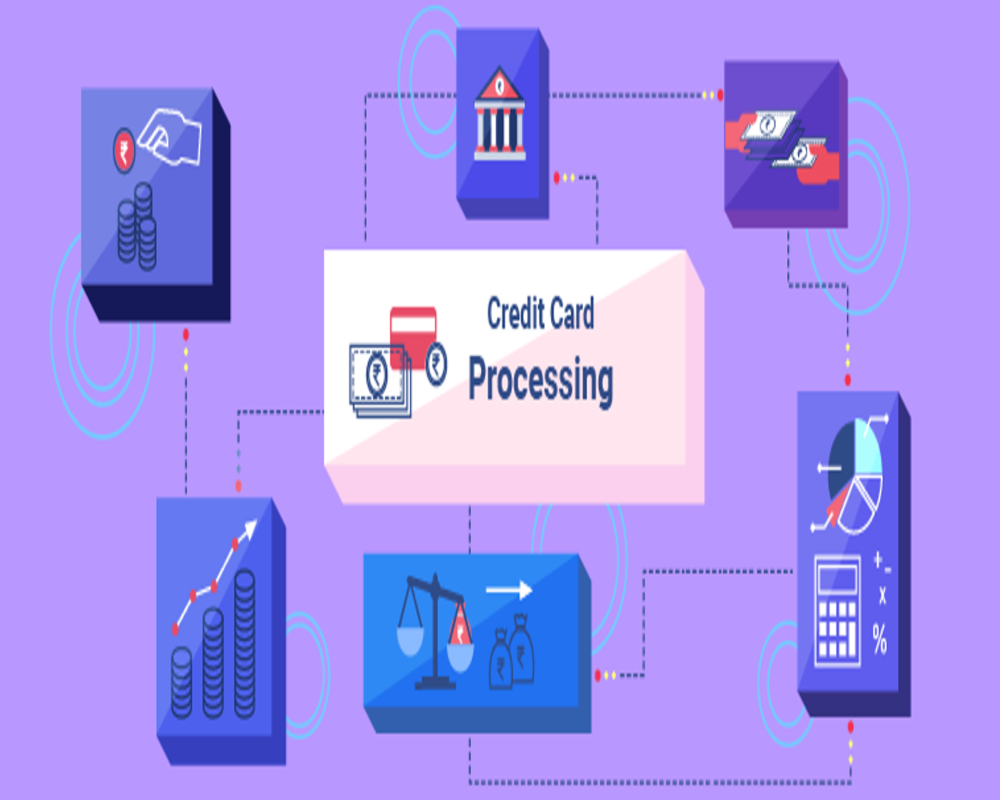
The new RBI guidelines have brought much-needed clarity and uniformity to credit card billing processes, making it easier for consumers to manage their credit obligations. By mandating clear disclosure of billing cycles, due dates, and interest calculations, the reforms ensure that cardholders are fully informed about their financial responsibilities. These changes help prevent confusion around payment timelines and minimize the chances of incurring unexpected charges due to miscommunication or inconsistent billing practices.
Under the revised framework, banks must send statements at least 14 days before the due date, allowing users sufficient time to review transactions and plan repayments. Inactive cards now require user confirmation for continued billing, and auto-debit mandates must be clearly communicated with pre-debit notifications. These enhancements improve transparency while also reducing the risk of unintentional payments or billing errors. Cardholders can now also opt to modify billing cycles, providing flexibility that better suits individual cash flow needs.
These guidelines reflect RBI’s commitment to consumer-centric financial governance and responsible credit usage. With simplified billing structures, easier dispute resolution mechanisms, and standardized practices across issuers, users experience greater control and confidence in managing their credit cards. As a result, overall customer satisfaction improves, and trust in digital financial systems continues to deepen across India’s evolving credit landscape.