
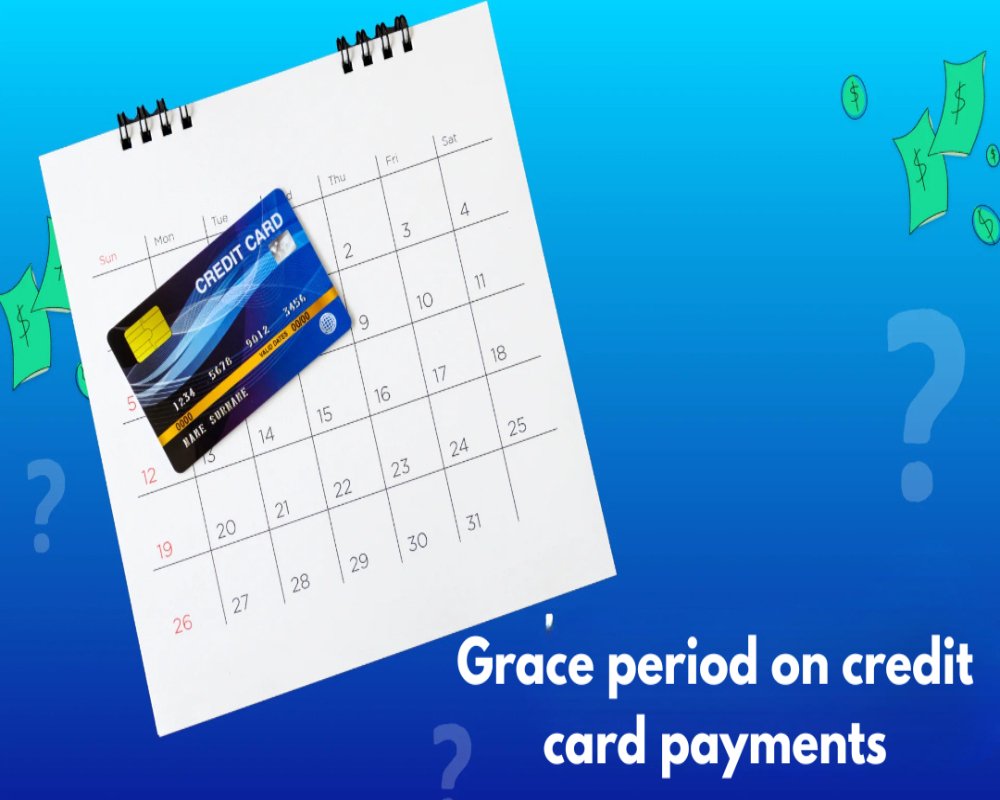
Definition of Grace Period
• A grace period is the time given to pay your bill without interest.
• It starts from the statement generation date.
• Usually lasts 18 to 25 days depending on the card issuer.
• Applicable only when the previous bill is fully paid.
• It allows interest-free borrowing during the billing cycle.
When It Applies
• Applies to new purchases made during the billing cycle.
• Valid if there are no pending dues from past cycles.
• Not applicable on cash advances or EMIs.
• Ends on the payment due date mentioned in the statement.
• Revoked if minimum due is not paid on time.
How It Benefits Cardholders
• Offers extra time to manage and repay bills interest-free.
• Helps avoid immediate debt on regular spending.
• Encourages full payments to retain interest waiver.
• Allows efficient use of the billing cycle for budgeting.
• Reduces overall borrowing cost if used smartly.
What Happens After the Grace Period
• Interest is charged on unpaid balances from the transaction date.
• Future purchases may not get grace period benefits.
• Carrying forward balances leads to compounding interest.
• Late payments may also attract penalties and GST.
• Credit score impact occurs if payment is skipped entirely.
Tips to Use Grace Period Wisely
• Always pay the full outstanding amount before due date.
• Know your billing cycle and due date precisely.
• Plan large purchases early in the billing cycle.
• Avoid using grace period as a habit to delay payments.
• Check your card terms to confirm grace period duration.